

Manage Money on a Low Salary is one of the most common struggles people face today. When income is limited and expenses keep increasing, it often feels impossible to save money or plan for the future. Many people believe that financial stability is only possible with a high income, but this is not true. In reality, smart money management on a low salary matters far more than how much you earn, and with the right strategies, anyone can achieve financial stability.
With the right financial habits, discipline, and long-term planning, even a person earning a low income can achieve stability and peace of mind. Learning how to manage money on a low salary is essential for anyone who wants to reduce stress, avoid unnecessary debt, and slowly build a secure financial future. Many people believe that managing money is only for high earners, but the truth is that anyone can manage money on a low salary effectively with the right strategies and mindset.
The first step in managing money on a low salary is to track every expense carefully. Understanding where your money goes allows you to make informed decisions and avoid wasting resources on non-essential items. By consistently tracking spending, you create awareness, which is the foundation of smart money management.
Next, creating a practical and realistic budget helps you manage money on a low salary while ensuring that all essential needs are met. A well-planned budget prioritizes necessities, allocates funds for savings, and still allows for small personal comforts. Even small amounts saved regularly contribute to long-term financial growth.
Avoiding debt is another crucial part of learning to manage money on a low salary. Loans and credit card debt can quickly consume limited income, so careful planning and disciplined spending are necessary. Building an emergency fund also strengthens your ability to manage money on a low salary, providing a financial cushion for unexpected situations.
Additionally, seeking ways to increase income, such as side hustles or freelance work, complements efforts to manage money on a low salary. Over time, consistent habits like tracking expenses, budgeting, avoiding debt, saving, and seeking extra income make it much easier to manage money on a low salary and build financial confidence.
Remember, patience and discipline are key. Anyone can gradually improve their life if they consistently apply these techniques and truly commit to learning how to manage money on a low salary. With these strategies, even limited income can be transformed into financial security and opportunities for growth.
Understanding the Real Problem of Managing Money on a Low Salary

The biggest problem with a low salary is not the limited income itself, but the lack of proper planning. Many people struggle because they do not know how to manage money on a low salary effectively, which causes their earnings to disappear quickly each month. When income is fixed and expenses are unmanaged, it becomes difficult to cover essential needs, save, or invest for the future. Without a clear plan, people often reach the end of the month confused about where their money went. This lack of financial control can lead to stress, anxiety, and even the need to borrow money, which further increases financial pressure. Learning how to manage money on a low salary involves creating a realistic budget, tracking every expense, and prioritizing essential costs. Even small adjustments, like reducing unnecessary spending or saving a tiny portion of income, can make a big difference over time. With consistent habits and discipline, anyone can manage money on a low salary successfully and gradually achieve financial stability.
However, when you start controlling your expenses, planning ahead, and spending with full awareness, your financial situation begins to improve significantly. Learning to manage money on a low salary is not just about cutting costs; it is about developing a skill that allows you to make informed decisions with every penny you earn. One of the most important steps in this process is knowing exactly where your money goes. By tracking each expense, whether it is bills, groceries, or small daily purchases, you gain a clear picture of your spending habits. This insight enables you to identify unnecessary expenses and reallocate funds toward savings or debt repayment. Over time, consistently applying these strategies helps anyone to manage money on a low salary efficiently, build financial confidence, and gradually create a more secure and stress-free financial life.
The foundation of smart money management is understanding your spending behavior. According to Investopedia most people do not track their expenses and rely on assumptions instead, a habit that makes it nearly impossible to control finances effectively.
When you start writing down every expense, even small ones like tea or snacks, you begin to see patterns. You realize which expenses are necessary and which ones are silently damaging your budget. Expense tracking gives you clarity and control, allowing you to make better financial decisions without feeling restricted.
Creating a Budget to Manage Money on a Low Salary Effectively

A budget is not meant to limit your life; it is a financial roadmap that helps you use your salary wisely. Many people fail at budgeting because they create unrealistic plans that are difficult to follow. Developing financial habits to build wealth can help you create practical budgets that actually work in real life.
A simple and flexible budget works best for low-income earners. When you assign your income to necessities, personal spending, and savings in a balanced way, you avoid overspending and stress. Even saving a small percentage regularly builds financial discipline and creates a habit that benefits you in the long run.
Reducing Expenses Without Sacrificing Comfort

Saving money does not mean living an uncomfortable life. It means spending consciously. Many unnecessary expenses come from habits rather than real needs. When you start questioning your spending choices, you naturally reduce waste.
Cooking at home, avoiding impulse buying, choosing affordable service plans, and delaying unnecessary purchases can make a huge difference. These small changes do not reduce your quality of life, but they significantly improve your financial health.
Building an Emergency Fund for Financial Safety

An emergency fund is one of the most crucial financial protections, especially for those who earn a low salary. Learning how to manage money on a low salary includes understanding the importance of setting aside funds specifically for unexpected expenses. Without an emergency fund, even a small sudden cost, such as medical bills, car repairs, or household emergencies, can quickly push someone into debt. By gradually building a separate savings account for emergencies, low-income earners can gain a sense of security and reduce financial stress. Contributing a small portion of your monthly salary consistently, no matter how little, makes a significant difference over time. This habit not only protects you from borrowing at high interest but also allows you to manage money on a low salary more confidently. Over time, having a reliable emergency fund empowers you to focus on long-term financial goals and gradually improve your overall financial stability.
Building an emergency fund does not require a large income. It requires consistency. Saving small amounts regularly creates a financial cushion that protects you during medical emergencies, job loss, or sudden family needs. This fund brings peace of mind and financial confidence.
Avoiding Debt and Financial Traps
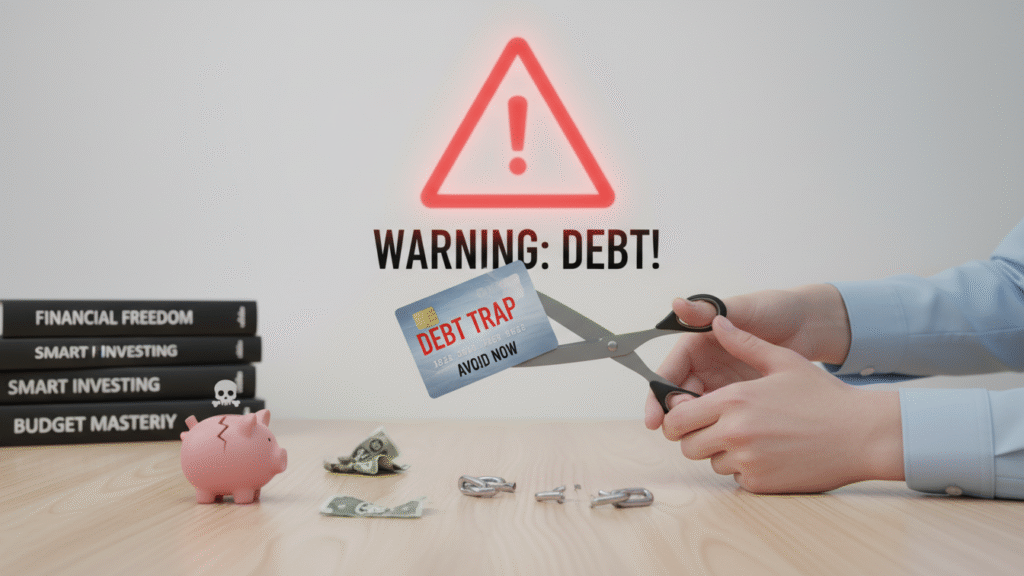
Debt is one of the biggest obstacles to financial stability. Credit cards, personal loans, and installment plans may look convenient, but they are extremely risky for people with limited income.
When a large portion of your salary goes into loan repayments, your financial growth stops. Avoid unnecessary borrowing and focus on living within your means. If you already have debt, prioritizing repayment and avoiding new loans is essential for long-term stability.
Increasing Income Alongside Saving

Saving money has its limits, but increasing income opens new possibilities. Relying only on a fixed salary makes financial growth slow. Exploring side income opportunities can significantly reduce financial pressure.
Online work, freelancing, digital skills, and part-time income sources allow you to earn extra money without leaving your main job. Even a small additional income can improve savings, reduce stress, and accelerate your financial progress.
Using Banking and Digital Tools Wisely

Modern banking and digital tools can help you manage money more effectively. Choosing low-fee bank accounts, using mobile wallets for tracking expenses, and monitoring transactions regularly improves financial awareness.
Digital tools and apps have completely transformed the way people handle their finances, especially for those who need to manage money on a low salary. These tools simplify budgeting, track expenses in real-time, and provide a clear overview of where every dollar goes. When you use digital solutions to manage money on a low salary, you gain control over your spending patterns, reduce unnecessary expenses, and start making smarter financial decisions. By categorizing your expenses and setting reminders for bills and savings, these apps ensure that you never lose track of your limited income.
Knowing exactly how much you are spending each day helps you become more responsible and intentional with your money. Whether it is tracking groceries, utility bills, or small daily purchases, digital tools allow anyone to manage money on a low salary efficiently without feeling overwhelmed. Over time, consistently using these apps helps you identify areas where you can save, avoid debt, and allocate funds toward long-term goals.
Moreover, many digital tools provide insights and suggestions tailored to your financial behavior. They can highlight unnecessary spending habits and offer alternative ways to save, helping you manage money on a low salary smarter than ever before. By integrating technology into your daily financial routine, even those with limited income can take charge of their finances, plan ahead, and gradually build a stable financial life.
In conclusion, adopting digital tools is not just convenient—it is essential for anyone who wants to manage money on a low salary effectively. With discipline, regular tracking, and smart use of these resources, financial stress can be minimized, and a more secure, organized, and confident approach to money management can be achieved.
Starting Small Investments with Patience
Investment is not only for the rich. Even small investments, when done correctly, help protect your money from inflation. However, investing without knowledge can lead to losses.
Starting with safe and simple investment options allows you to grow your money gradually. The key is patience and understanding. Avoid quick-profit schemes and focus on long-term financial growth.
Improving Financial Knowledge for Better Decisions
Financial education is one of the most powerful tools for wealth building. The more you understand money, the better decisions you make. Learning about budgeting, saving, investing, and income growth improves your financial confidence.
Reading finance blogs, watching educational videos, and following reliable sources are excellent ways to gradually improve your financial intelligence. Financial knowledge is one of the most valuable assets you can develop, as it helps you make informed decisions, avoid mistakes, and protect yourself from scams or misleading schemes. Over time, consistently dedicating even a small amount of time to learning about money management, budgeting, saving, and investment strategies can have a profound impact on your financial future.
Being financially informed allows you to understand the risks and benefits of various financial decisions, from choosing the right savings account to evaluating investment opportunities. It also gives you the confidence to plan ahead, set realistic goals, and manage your money wisely. By building your financial intelligence, you not only safeguard your income but also create a foundation for long-term stability and success. Developing this habit early ensures that knowledge becomes a lifelong tool for achieving financial freedom and security.
Staying Disciplined and Thinking Long-Term
Financial success does not happen overnight. It is the result of consistent habits practiced over time. Staying disciplined, reviewing your finances regularly, and avoiding comparisons with others keeps you focused.
Small actions taken consistently every day can lead to significant results over time. In the context of personal finance, even minor steps such as tracking your expenses, saving a small portion of your income, or avoiding unnecessary purchases can accumulate into substantial financial benefits in the future. Patience and discipline are the core principles that separate those who struggle financially from those who achieve stability and success.
Developing the habit of making deliberate financial decisions, no matter how small, creates a strong foundation for long-term financial health. Over time, these small, repeated actions can help you build savings, reduce debt, and gain better control over your money. Financial stability is not achieved overnight; it is the result of consistent effort, careful planning, and a willingness to delay immediate gratification for future security.
Additionally, cultivating discipline in your spending ensures that you make thoughtful choices rather than impulsive decisions. Patience allows you to stay focused on your goals even when results are slow to appear. By combining these two traits, you can gradually transform your financial situation, create a buffer against unexpected expenses, and pave the way toward a secure and worry-free financial future. Small, smart steps, taken consistently, truly have the power to change your life.
Final Thoughts

Managing money smartly on a low salary is not only possible but also highly rewarding when approached with the right mindset. Many people assume that a low income limits their ability to save or achieve financial stability, but the truth is that you can manage money on a low salary successfully with proper planning and disciplined habits. It starts with understanding your income and expenses clearly. By tracking every penny you earn and spend, you gain control over your finances and can make informed decisions to optimize your limited resources.
Creating a realistic budget is the next crucial step. A well-structured budget allows you to allocate money for necessities, savings, and even small personal comforts. When you consistently follow your budget, you start to see that it is entirely feasible to manage money on a low salary without feeling deprived. Reducing unnecessary expenses and prioritizing needs over wants further strengthens your financial position.
In addition to budgeting, building the habit of saving—even in small amounts—plays a vital role. Regular saving, no matter how modest, creates an emergency fund and lays the foundation for future investments. By learning to manage money on a low salary, you also become more disciplined in avoiding debt and making wiser spending choices. Continuous financial education, whether through blogs, videos, or books, complements these habits and enhances your ability to make smart money decisions.
Ultimately, anyone who consistently plans, saves, spends wisely, and learns continuously can manage money on a low salary effectively. Over time, these practices lead to financial security, reduced stress, and the confidence to achieve long-term goals. With patience, discipline, and the right approach, a low salary can still provide a stable, comfortable, and stress-free financial life.
It’s not about how much you earn — it’s about how well you manage what you earn.